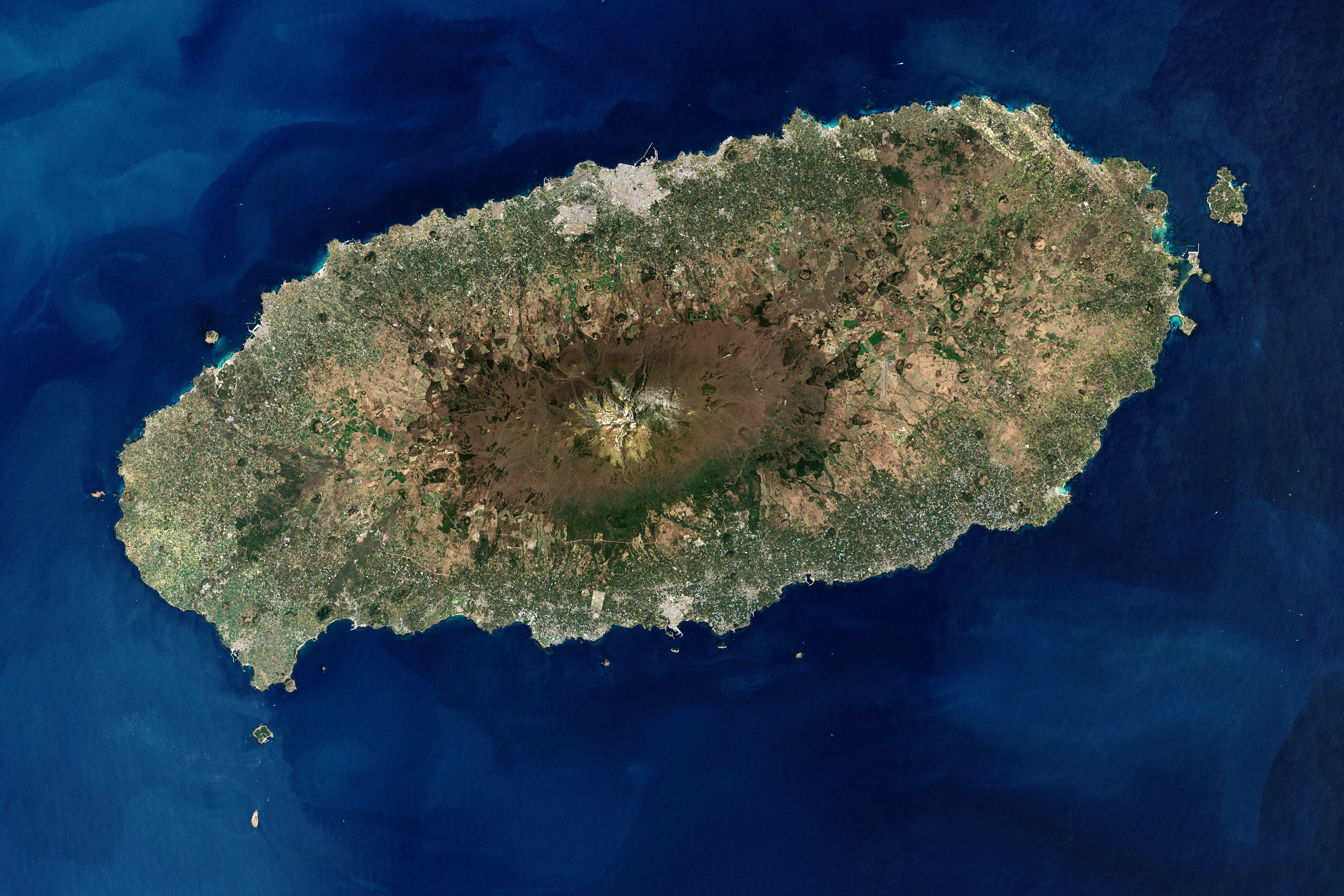
제주도(濟州島)는 대한민국 최남단에 위치한 화산섬으로, 면적 약 1,849㎢, 인구 약 67만 명의 특별자치도다. 한라산, 성산일출봉, 만장굴 등 빼어난 자연 경관이 유네스코 세계자연유산(2007)으로 등재되어 있으며, 국내외 관광객이 연간 약 1,200~1,500만 명에 달하는 한국 최고의 관광지다.
지리와 자연환경
제주도는 약 180만 년 전부터 현재까지 여러 차례의 화산 폭발로 형성된 화산섬이다. 섬의 중앙에는 한국 최고봉 한라산(漢拏山, 1,950m)이 우뚝 솟아있고, 해안선을 따라 검은 용암 지형, 오름(기생화산 368개), 곶자왈(용암 숲 지대), 동굴 등 독특한 화산 지형이 펼쳐진다.
2007년 유네스코는 한라산 국립공원, 성산일출봉, 거문오름 용암동굴계를 세계자연유산으로 등재하였다. 또한 제주는 유네스코 생물권보전지역과 세계지질공원 인증도 받아 '유네스코 3관왕'의 영예를 안고 있다.
주요 관광지
한라산: 연 100만 명 이상이 등반하는 국내 최고봉. 백록담 정상 분화구 호수, 철쭉·억새 등 사계절 다른 절경이 펼쳐진다. 어리목·영실·성판악·관음사 탐방로가 있으며, 백록담 정상까지는 편도 4~9km 거리다.
성산일출봉: 천연 요새처럼 바다 위에 솟은 응회구(凝灰丘) 화산체로, 정상에서 바라보는 일출이 장관이다. UNESCO 세계자연유산.
만장굴: 총 길이 약 7.4km의 세계 최대 용암동굴 중 하나. 일반 탐방 가능 구간 약 1km에서 천연 석주·석순 등 용암동굴 지형을 직접 볼 수 있다.
우도: 제주 동쪽 해안에서 배로 약 15분 거리의 소섬. 산호사 해변, 검은 모래 해변, 우도 땅콩 아이스크림이 유명하다.
올레길: 제주 해안선을 따라 26코스 약 437km의 걷기 여행 코스. 2007년 개설된 이후 '걷기 여행의 성지'로 자리잡았다.
음식
제주 음식은 바다·산·밭이 어우러진 독특한 식문화를 자랑한다. 흑돼지 구이(제주 흑돼지), 갈치조림·갈치회, 옥돔구이, 제주 해녀가 잡아 올리는 싱싱한 해산물(전복·소라·해삼), 물허벅에 담아 파는 막걸리 등이 대표적이다.
여행 팁
이동: 제주국제공항에서 국내선 약 1시간, 제주항에서 배로 서울-제주 약 12시간. 렌터카가 가장 편리한 교통 수단이며, 버스 투어·택시 투어도 많다.
숙박: 서귀포시·제주시 도심 호텔부터 곶자왈 숲속 펜션, 한적한 게스트하우스까지 다양하다. 성수기(여름·봄꽃 시즌·연말연시)에는 조기 예약이 필수다.
날씨: 아열대 기후로 여름에 덥고 습하며, 태풍이 자주 지나간다. 봄(4~5월)과 가을(10~11월)이 가장 여행하기 좋은 시즌이다. 한라산 정상은 눈이 쌓이는 겨울에도 아름답다.
과잉 관광과 과제
연 1,000만 명 이상의 관광객이 몰리면서 자연 훼손, 교통 혼잡, 쓰레기 문제 등 '오버투어리즘(Over-Tourism)' 문제가 대두되고 있다. 제주 올레길 일부 구간의 식물 훼손, 성산일출봉 주변 상업화, 한라산 탐방객 집중 등이 지적된다. 제주도는 관광객 수 관리, 친환경 관광 인프라 구축, 지역 주민 삶의 질 보호를 위한 정책 방향을 모색하고 있다.
전망
제주도는 자연·문화·음식·휴양이 결합된 종합 관광지로, 외국인 관광객 유치 확대와 고품격 체류형 관광으로의 전환이 주요 전략이다. 중국인 관광객 의존도를 낮추고 동남아·일본·유럽 등 다변화를 추진하는 것도 과제다.
지리적 형성과 유네스코 자연유산
제주도는 여러 차례의 화산 폭발로 만들어진 한국 최남단의 화산섬이다. 섬의 면적은 약 1,849㎢이며 인구는 약 67만 명이다. 행정구역은 특별자치도에 해당한다. 이 섬은 약 180만 년 전부터 현재까지 이어진 화산 활동으로 형성되었다. 섬 중심부에는 한국 최고봉인 한라산이 솟아 있다. 한라산의 높이는 1,950m이다. 해안선을 따라 검은 용암 지형이 넓게 펼쳐져 있다. 곶자왈이라 불리는 용암 숲 지대와 다양한 동굴도 발달했다. 기생화산을 뜻하는 오름은 섬 전체에 368개가 분포한다. 유네스코는 2007년에 한라산 국립공원과 성산일출봉, 거문오름 용암동굴계를 세계자연유산으로 등재했다. 제주는 유네스코 생물권보전지역과 세계지질공원 인증도 받았다. 이에 따라 세 분야 모두에서 가치를 인정받아 유네스코 3관왕에 올랐다는 평가를 받는다.
대표 관광지와 생태 탐방로
제주도의 주요 관광지는 독특한 화산 지형과 걷기 코스로 구성된다. 연간 국내외 관광객 약 1,200~1,500만 명이 찾는 한국 최고의 관광지로 알려졌다. 한라산은 한 해에 100만 명 이상이 찾는 대표적인 탐방지다. 한라산 정상에는 백록담이라는 분화구 호수가 있다. 계절에 따라 철쭉과 억새가 피어나 절경을 이룬다. 한라산 탐방로는 어리목, 영실, 성판악, 관음사 코스가 마련되어 있다. 정상 백록담까지는 편도로 4km에서 9km를 걸어야 한다. 성산일출봉은 바다 위에 형성된 응회구 화산체다. 이곳은 정상에서 보는 일출이 장관으로 꼽힌다. 성산일출봉은 유네스코 세계자연유산에 속한다. 만장굴은 전체 길이가 약 7.4km인 대형 용암동굴이다. 일반인은 약 1km 구간을 관람할 수 있다. 동굴 내부에서는 천연 석주와 석순을 직접 관찰할 수 있다. 우도는 제주 동쪽 바다에 위치한 작은 섬이다. 제주도에서 배를 타면 약 15분 만에 닿을 수 있다. 우도에는 산호사 해변과 검은 모래 해변이 있다. 우도 땅콩 아이스크림도 널리 알려졌다. 올레길은 제주 해안선을 따라 걷는 26개 코스의 도보 여행길이다. 총 길이는 약 437km에 이른다. 2007년에 처음 개설된 이후 걷기 여행의 성지로 자리 잡았다는 평가를 받는다.
전통 음식과 대표 먹거리
제주 음식은 섬의 자연환경에서 나오는 다양한 식재료를 사용한다. 바다와 산, 밭이 어우러진 고유한 식문화가 특징이다. 제주 흑돼지 구이는 대표적인 육류 요리다. 해산물 요리로는 갈치조림과 갈치회, 옥돔구이가 있다. 제주 해녀가 직접 바다에서 건져 올린 해산물도 즐길 수 있다. 전복과 소라, 해삼이 여기에 포함된다. 물을 나를 때 쓰던 물허벅에 담아 파는 막걸리도 고유한 음식으로 전해진다.
여행 일정과 교통편 안내
제주도 이동은 항공기와 여객선을 주로 이용한다. 항공편을 타면 제주국제공항까지 국내선으로 약 1시간이 소요된다. 배편을 이용하면 서울에서 제주항까지 약 12시간이 걸린다. 섬 내부를 이동할 때는 렌터카가 가장 편리한 수단이다. 단체 이동이나 관광을 돕는 버스 투어와 택시 투어도 운영된다. 숙박 시설은 도심부터 자연 속까지 다양하게 마련되어 있다. 제주시와 서귀포시 도심에는 호텔이 자리한다. 곶자왈 숲속 펜션과 한적한 게스트하우스도 이용할 수 있다. 여름 휴가철, 봄꽃 시즌, 연말연시 같은 성수기에는 숙소를 일찍 예약해야 한다. 제주는 아열대 기후 지역이라 여름에 덥고 습하다. 여름철에는 태풍이 자주 지나가므로 기상 변화를 확인해야 한다. 여행하기 가장 좋은 계절은 4월에서 5월 사이의 봄과 10월에서 11월 사이의 가을로 꼽힌다. 겨울철에는 눈 쌓인 한라산 정상이 아름다운 경관을 나타낸다.
관광 분야의 과제와 장기 전망
제주도는 대규모 관광객 유입에 따른 문제점을 해결하고 관광 체질을 개선하는 과제를 맞이하고 있다. 한 해에 1,000만 명이 넘는 관광객이 집중되면서 과잉 관광 문제가 나타났다. 환경 훼손과 교통 혼잡, 쓰레기 증가가 주요 현안으로 꼽힌다. 올레길 일부 구간에서 일어나는 식물 훼손과 성산일출봉 주변의 지나친 상업화가 문제로 지적된다. 한라산에 탐방객이 몰리는 현상도 개선해야 할 점으로 거론된다. 제주도는 관광객 수를 관리하고 친환경 인프라를 구축하는 정책을 모색하고 있다. 주민의 삶의 질을 보호하는 방안도 함께 찾고 있다. 장기적으로는 외국인 관광객을 더 많이 유치하고 고품격 체류형 관광으로 전환한다는 전략이다. 중국인 관광객 의존도를 줄이고 동남아, 일본, 유럽 등지로 방문객을 다변화해야 한다는 분석이 나온다.
제주도가 얼마나 대단한 여행지냐
한라산·성산일출봉·만장굴이 유네스코 세계자연유산이고, 생물권보전지역·세계지질공원까지 합쳐서 유네스코 3관왕임. 연 1,200~1,500만 명 관광객이 찾는 한국 최고 관광지야.
핵심 스팟들
한라산: 해발 1,950m 한국 최고봉. 백록담 분화구 호수. 등반로 4개, 편도 4~9km. 연 100만 명 이상 등반.
성산일출봉: 바다 위에 솟은 화산체. 일출 보러 새벽에 올라가는 게 로망.
만장굴: 세계 최대 용암동굴 중 하나. 총 7.4km인데 1km는 직접 걸어볼 수 있음.
우도: 배로 15분 거리 소섬. 산호사 해변, 땅콩 아이스크림 ㄹㅇ 맛있음.
올레길: 26코스 437km 걷기 코스. 2007년 개설 이후 제주 걷기 여행의 성지가 됨.
뭐 먹냐
흑돼지 구이, 갈치조림, 옥돔구이, 해녀가 잡은 전복·소라·해삼. 제주 특산이라 맛이 다름.
여행 팁
비행기 1시간, 렌터카가 필수. 봄(4~5월)·가을(10~11월)이 최고 시즌. 성수기 숙박은 조기 예약 필수.
오버투어리즘 문제
관광객이 너무 많아서 자연 훼손, 교통 혼잡, 쓰레기 문제가 심각해지고 있어. 성산일출봉 주변 상업화, 한라산 탐방객 집중 등도 지적됨. 제주도가 어떻게 지속가능한 관광 모델을 만드느냐가 과제임.
제주도가 왜 특별한가요?
제주도는 우리나라 남쪽 바다에 있는 아름다운 섬이에요. 한라산이라는 높은 산과 바다가 함께 있어서 아주 다양한 자연 경관을 볼 수 있어요. 유네스코에서 세계자연유산으로 인정한 특별한 곳이에요!
어떤 것들이 있나요?
한라산: 우리나라에서 가장 높은 산이에요. 걸어서 올라가면 정상에 호수도 있어요!
성산일출봉: 바다 위에 우뚝 솟은 화산이에요. 일출(해가 뜨는 것)이 정말 아름다워요.
만장굴: 용암이 흘러서 만들어진 신비한 동굴이에요.
제주도에서 뭘 먹나요?
제주 흑돼지 구이, 해녀 할머니가 잡아 올린 신선한 전복과 소라가 유명해요. 우도(작은 섬)의 땅콩 아이스크림도 맛있어요!
어떻게 가나요?
비행기로 1시간이면 갈 수 있어요. 봄에 벚꽃이 필 때와 가을 단풍 시즌이 특히 아름다워요. 가족 여행지로 정말 좋은 곳이랍니다!
Jeju Island: A Volcanic Paradise in South Korea
Overview
Jeju Island (제주道), located at the southernmost tip of South Korea, is a volcanic archipelago spanning approximately 1,849 square kilometers with a population of around 670,000 residents, classified as a Special Self-Governing Province. Renowned for its breathtaking natural landscapes such as Mount Hallasan, Seongsan Ilchulbong Peak, and Manjanggul Cave, Jeju was inscribed as a UNESCO World Natural Heritage site in 2007, attracting roughly 12 to 15 million visitors annually, making it South Korea's premier tourist destination.
Geography and Natural Environment
Formed over approximately 1.8 million years through multiple volcanic eruptions, Jeju Island boasts a central prominence of Mount Hallasan (1,950 meters), South Korea's highest peak. The coastline features distinctive volcanic terrains including black lava formations, over 368 parasitic volcanoes known as "oresm," lava forest zones called "gotjawal," and extensive cave systems. UNESCO recognized Hallasan National Park, Seongsan Ilchulbong Peak, and the Geomun Oreum Lava Tube System as World Natural Heritage sites in 2007. Additionally, Jeju holds UNESCO Biosphere Reserve and World Geopark designations, earning it the title of "UNESCO Triple Crown."
Major Tourist Attractions
Mount Hallasan: Attracted by over 1 million climbers annually, it stands as South Korea's highest peak, offering diverse scenic views throughout the year, including the scenic Baekrokdam Crater Lake and seasonal blooms of azaleas and silver grass. Popular trails include Ulleom, Yeongsil, Seongsanak, and Gwangmyeongsa Temple paths, with routes ranging from 4 to 9 kilometers one way to the summit.
Seongsan Ilchulbong Peak: This volcanic tuff cone rises dramatically from the sea, offering spectacular sunrises recognized as a UNESCO World Natural Heritage site.
Manjanggul Cave: One of the world's longest lava tubes, stretching about 7.4 kilometers, with accessible sections allowing visitors to witness unique cave formations like stalactites and stalagmites.
Udo Island: A small island off Jeju's east coast, accessible by ferry in about 15 minutes, known for its scenic Sonhos Beach, black sand beaches, and famous peanut ice cream.
Jeju Olle Trail: A network of 26 walking trails totaling approximately 437 kilometers along Jeju's coastline, established in 2007, it has become a pilgrimage site for hikers.
Cuisine
Jeju's culinary scene uniquely blends marine, terrestrial, and agricultural influences. Notable dishes include grilled black pork (Jeju black pork), stewed beltfish and beltfish sashimi, grilled sea bream, fresh seafood caught by Jeju divers (such as abalones, sea cucumbers, and oysters), and traditional rice wine served in traditional earthenware jars.
Travel Tips
Transportation: Domestic flights from Jeju International Airport take about an hour, while ferry rides from Jeju Port to Seoul take around 12 hours. Renting a car is the most convenient option, complemented by bus tours and taxi services.
Accommodation: Options range from urban hotels in Seogwipo and Jeju City to forest-centric pensions and serene guesthouses within gotjawal forests. Early booking is crucial during peak seasons (summer, spring flower season, and holiday periods).
Weather: Characterized by a subtropical climate, Jeju experiences hot and humid summers and occasional typhoons. Spring (April-May) and autumn (October-November) offer ideal travel conditions, with Mount Hallasan's winter snowscapes also attracting visitors.
Challenges of Overtourism
With annual visitor numbers exceeding 10 million, Jeju faces issues like environmental degradation, traffic congestion, and waste management, indicative of overtourism. Specific concerns include ecological damage along parts of the Olle Trail, commercialization around Seongsan Ilchulbong, and concentrated visitor traffic on Mount Hallasan. The island is actively developing policies aimed at managing tourist numbers, enhancing eco-friendly tourism infrastructure, and preserving local residents' quality of life.
Future Outlook
Positioned as a comprehensive tourist destination blending nature, culture, cuisine, and relaxation, Jeju aims to expand its appeal to international tourists, particularly through high-end, immersive experiences. Strategies include diversifying visitor demographics beyond heavy reliance on Chinese tourists, targeting markets in Southeast Asia, Japan, and Europe to ensure sustainable growth and cultural enrichment.
English version not yet available.
English version not yet available.
관련 이미지
2000년 4월 NASA 랜드샛 위성이 촬영한 제주도. (NASA Earth Observatory)
Public Domain · NASA
문서 정보
최초 작성
최종 갱신
분류
여행
HANGUL.WIKI가 정리·작성한 문서입니다. 정확성을 위해 노력하나 오류가 있을 수 있으므로, 중요한 내용은 공식 출처를 통해 확인하시기 바랍니다.
내용의 오류나 정정 요청은 오류·정정 신고로 알려주시면 검토 후 반영합니다.